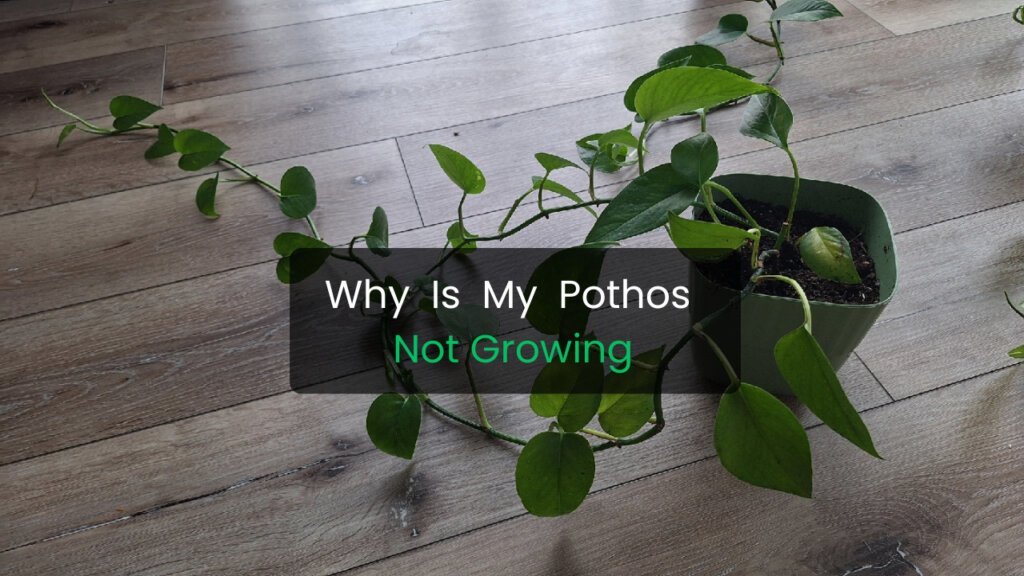
Pothos plants are known for being low-maintenance and fast-growing, but sometimes they stop growing or seem stuck. If your pothos isn’t putting out new leaves or vines, it’s a sign that something in its environment is not right. Understanding what affects pothos growth can help you bring your plant back to life.
1. Lack of Light
Pothos need bright, indirect sunlight to grow well. If the plant is in a low-light area, it may survive but grow very slowly. Insufficient light prevents photosynthesis, which reduces new leaf and vine development.
Solution:
Move your pothos near a window with filtered light. If natural light is limited, consider using a grow light for a few hours daily.
2. Overwatering or Underwatering
Water stress is one of the most common reasons pothos plants stop growing. Overwatering can lead to root rot, while underwatering makes the plant dehydrated and weak.
Solution:
Allow the top inch of soil to dry before watering again. Make sure the pot has good drainage holes and avoid letting the plant sit in water.
3. Poor Soil Quality
Pothos thrive in well-draining, nutrient-rich soil. Heavy or compact soil restricts root growth and air circulation, leading to slow growth.
Solution:
Use a potting mix made for indoor plants or mix peat moss, perlite, and coco coir for better aeration and drainage.
4. Low Temperature and Humidity
Pothos plants prefer warm and humid environments. Exposure to cold drafts or temperatures below 60°F (15°C) can stunt growth.
Solution:
Keep your pothos in a room with temperatures between 65°F to 85°F (18°C to 29°C). You can increase humidity with a humidifier or by misting the leaves occasionally.
5. Nutrient Deficiency
If your pothos hasn’t been fertilized for a long time, it may lack essential nutrients like nitrogen and iron, which are vital for leaf and root growth.
Solution:
Feed your plant with a balanced liquid houseplant fertilizer every 4–6 weeks during the growing season (spring and summer). Avoid over-fertilizing, as this can damage the roots.
6. Root Bound Condition
When a pothos has been in the same pot for a long time, the roots may outgrow the container. This restricts nutrient and water absorption, slowing down growth.
Solution:
Check if roots are coming out of the drainage holes. If so, repot your pothos into a pot one or two sizes larger using fresh potting mix.
7. Pests or Diseases
Common pests like spider mites, mealybugs, or aphids can affect pothos health and limit growth. Similarly, fungal infections caused by poor drainage can harm roots.
Solution:
Inspect your plant regularly. Wipe leaves with neem oil or insecticidal soap to keep pests away. If root rot occurs, trim off damaged roots and repot in fresh soil.
Tips to Encourage Faster Growth
- Keep your pothos in bright, indirect light.
- Water only when the top inch of soil is dry.
- Use well-draining soil and avoid overwatering.
- Fertilize during spring and summer.
- Maintain warm temperatures and moderate humidity.
By creating the right environment, your pothos will reward you with lush vines and vibrant green leaves.
FAQs
How long does it take for a pothos to start growing again?
If conditions improve, you may notice new growth within 2–4 weeks, especially during the growing season.
Does pothos grow faster in water or soil?
Pothos can grow in both, but they usually grow faster in soil because it provides more nutrients.
Should I prune my pothos to encourage growth?
Yes, pruning helps remove dead or weak stems and promotes bushier and healthier growth.
Can low humidity stop pothos from growing?
Yes, very dry air can slow growth. Increasing humidity helps your pothos thrive, especially in winter.
How do I know if my pothos is root bound?
If roots are circling inside the pot or growing out of drainage holes, it’s time to repot the plant.