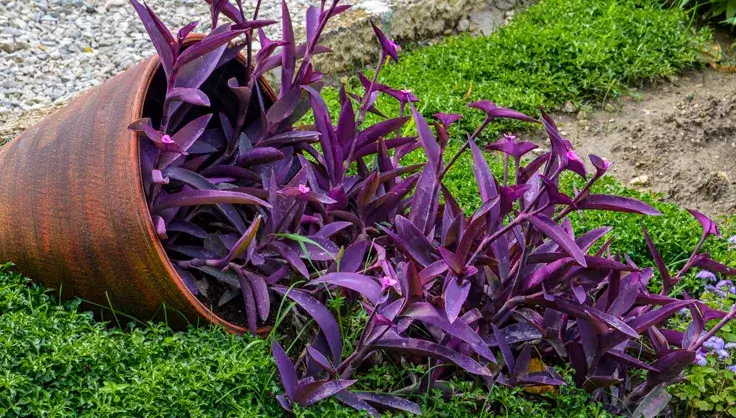
When it comes to adding vibrant foliage to your indoor or outdoor garden, the Purple Heart Plant (Tradescantia pallida) stands out with its striking purple leaves and low-maintenance nature. Loved by plant enthusiasts for its beauty and resilience, the purple heart plant is both ornamental and functional, making it a must-have for every plant lover. In this guide, we will cover everything you need to know about the purple heart plant, including its benefits, care tips, propagation, and FAQs.
What is the Purple Heart Plant?
The purple heart plant, scientifically known as Tradescantia pallida, is a perennial plant native to Mexico. It is a member of the spiderwort family and is widely grown for its rich purple foliage and delicate pink flowers. The plant is commonly used as ground cover, in hanging baskets, or as an indoor decorative plant.
Key Features of Purple Heart Plant
- Vibrant purple foliage that adds contrast to gardens.
- Small pink flowers that bloom in warm weather.
- Easy to grow indoors or outdoors.
- Drought-tolerant and low-maintenance.
Purple Heart Plant Benefits
The purple heart plant is more than just a pretty face—it comes with various benefits:
1. Air Purification
Like many houseplants, the purple heart plant helps clean indoor air by absorbing toxins and improving oxygen flow.
2. Aesthetic Appeal
Its bold purple foliage makes it perfect for brightening indoor corners, balconies, or garden beds.
3. Low Maintenance
It thrives in a variety of conditions, making it ideal for both beginners and seasoned plant parents.
4. Versatile Usage
You can grow it as ground cover, in pots, or in hanging baskets for a cascading effect.
How to Grow Purple Heart Plant
Growing a purple heart plant is simple if you follow the right conditions.
Light Requirements
- Prefers bright indirect sunlight indoors.
- Outdoors, it grows best in partial to full sun.
Soil Needs
- Well-draining soil is ideal.
- A mix of potting soil, perlite, and compost works best.
Watering
- Keep soil slightly moist but avoid overwatering.
- Water only when the top inch of soil feels dry.
Temperature & Humidity
- Thrives in warm temperatures (60–85°F).
- Can tolerate average indoor humidity levels.
Purple Heart Plant Propagation
One of the easiest ways to grow more purple heart plants is through stem cuttings.
Steps to Propagate Purple Heart Plant:
- Cut a healthy stem of about 4–6 inches.
- Remove the lower leaves.
- Place the cutting in water or directly in moist soil.
- Roots develop within 1–2 weeks.
- Transplant to a pot once roots are well established.
Purple Heart Plant Care Guide
| Care Factor | Requirement | Notes |
|---|---|---|
| Light | Bright indirect light / full sun | More sun = deeper purple color |
| Watering | Moderate, let soil dry between watering | Avoid root rot |
| Soil | Well-draining mix | Add perlite or sand for best results |
| Fertilizer | Once a month in growing season | Use balanced liquid fertilizer |
| Pruning | Regularly trim to encourage bushiness | Prevents legginess |
| Propagation | Stem cuttings | Easy and fast method |
Common Problems with Purple Heart Plant
1. Yellow Leaves
- Caused by overwatering or poor drainage.
2. Leggy Growth
- Not enough sunlight. Place in brighter location.
3. Root Rot
- Happens when soil stays too wet. Ensure proper drainage.
Purple Heart Plant Indoor vs Outdoor
| Feature | Indoor Growth | Outdoor Growth |
|---|---|---|
| Light | Needs bright indirect light | Thrives in partial to full sun |
| Temperature | Room temperature friendly | Prefers warm climates |
| Maintenance | Requires pruning to avoid legginess | Grows faster and spreads widely |
| Best Use | Hanging baskets, pots, décor corners | Ground cover, borders, garden beds |
Best Companion Plants for Purple Heart Plant
The purple heart plant pairs beautifully with other houseplants:
- Snake Plant (Sansevieria) – Adds contrast with upright green leaves.
- Spider Plant (Chlorophytum comosum) – Complements the purple shade with variegated leaves.
- Peace Lily (Spathiphyllum) – Enhances indoor air quality along with aesthetics.
Why Choose Purple Heart Plant for Your Home?
If you are looking for a plant that is decorative, durable, and easy to care for, the purple heart plant is the perfect choice. Whether you want it as an indoor centerpiece or outdoor ground cover, this plant adapts well and provides year-round beauty.
FAQs About Purple Heart Plant
Is the purple heart plant indoor or outdoor?
It can be grown both indoors and outdoors. Indoors, it needs bright light, while outdoors it thrives in partial to full sun.
Does purple heart plant need full sun?
Yes, it prefers full sun outdoors for the deepest purple color, but it also grows well in bright indirect indoor light.
How often should I water my purple heart plant?
Water when the top inch of soil feels dry. Avoid overwatering.
Is purple heart plant toxic?
Yes, it can be mildly toxic to pets and humans if ingested. Always keep it out of reach of children and pets.
Can I grow purple heart plant from cuttings?
Yes! Stem cuttings are the most common and easiest propagation method.
Final Thoughts
The purple heart plant is an excellent choice for anyone who loves colorful foliage with minimal care needs. From its air-purifying benefits to its stunning purple leaves, this plant is a must-have in every indoor and outdoor garden.
Ready to grow your own purple heart plant? Visit Indoor Plant Helper for expert plant care tips and more gardening guides.