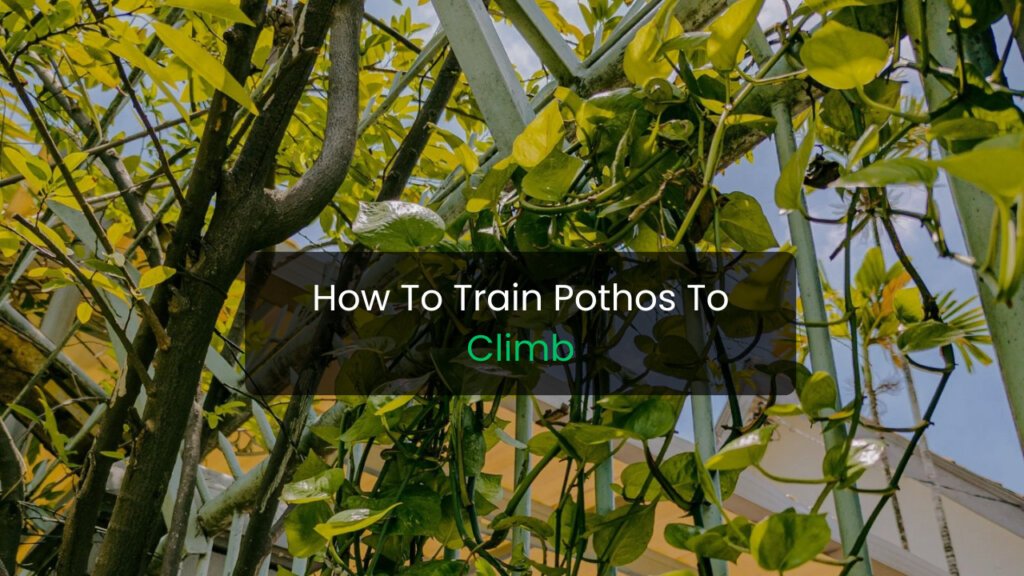
Pothos is a popular houseplant known for its heart-shaped leaves and easy growth. While most people let their pothos trail down from hanging baskets, it can also be trained to climb, just like it does in nature. Training your pothos to climb helps it grow stronger, fuller, and more attractive. Here’s how you can guide your plant to grow upward beautifully.
Why You Should Train Your Pothos to Climb
In its natural environment, pothos grows upward by attaching to trees and surfaces. When grown indoors, giving it a support to climb helps the plant produce bigger leaves and look more lush. It also saves space and adds a lovely green accent to your walls, corners, or shelves.
Best Supports for Climbing Pothos
To train your pothos, you’ll need something for it to attach to. Here are some of the best options:
- Moss Pole: A moss pole gives your pothos something soft and moist to cling to. It’s great for encouraging aerial roots to grow.
- Coconut Coir Pole: Made of coconut fiber, this option provides a sturdy and natural surface for climbing.
- Trellis: A wooden or metal trellis can help shape your pothos against a wall or inside a pot.
- Wall Hooks or Clips: These are perfect for creating a decorative vine pattern across a wall or window.
Step-by-Step Guide to Train Pothos to Climb
Step 1: Choose a Support
Select the type of climbing support based on your space and design preference. Make sure it’s firmly anchored in the pot or mounted to the wall.
Step 2: Position Your Pothos
Place your pothos near the base of the pole or structure. If your plant is young, gently direct the vines toward the support.
Step 3: Secure the Vines
Use soft plant ties, garden twine, or Velcro strips to loosely attach the vines to the pole. Avoid tying them too tightly to prevent damage.
Step 4: Encourage Root Attachment
Mist the moss or coir pole regularly. This helps the aerial roots attach more easily and absorb moisture.
Step 5: Prune for Shape and Growth
Trim overgrown or weak vines to encourage bushier and stronger growth. Pruning also redirects the plant’s energy toward climbing.
Step 6: Provide Light and Care
Pothos grow best in bright, indirect light. Water when the top inch of soil feels dry and feed monthly with a balanced houseplant fertilizer during the growing season.
Tips for Successful Climbing Growth
- Rotate your pot occasionally so all sides of the plant receive even light.
- Regularly check and reattach vines as they grow.
- Avoid placing the plant in low light areas, which can cause leggy growth.
- Use a humidifier or mist the plant to keep aerial roots healthy.
Common Mistakes to Avoid
- Tying too tightly: This can damage the stem and restrict growth.
- Ignoring pruning: Without pruning, your plant may grow thin and lose shape.
- Lack of support stability: Make sure poles or trellises are firmly in place to prevent tipping.
- Overwatering: Keep soil slightly moist but not soggy to avoid root rot.
Benefits of Training Pothos to Climb
- Promotes larger and healthier leaves
- Creates a natural and decorative vertical accent
- Encourages stronger stems and aerial root growth
- Mimics the plant’s natural environment
FAQs
How long does it take for pothos to climb?
Pothos can begin climbing within a few weeks if given proper support and light. Growth speed depends on the environment and care.
Can pothos climb walls without support?
Pothos need some form of structure like hooks, poles, or trellises to climb. They cannot naturally attach to flat walls without assistance.
Do I need to mist the moss pole?
Yes, misting helps keep the pole moist, which encourages aerial roots to cling and absorb water.
Should I prune climbing pothos?
Regular pruning helps manage shape and encourages dense foliage, making your climbing pothos look fuller.
Can pothos climb in low light?
While pothos can survive in low light, they won’t climb as quickly or develop large leaves. Bright, indirect light is best for climbing growth.
Final Thoughts
Training pothos to climb is a simple and rewarding way to enhance your indoor garden. With the right support, gentle guidance, and proper care, your pothos will grow upward beautifully, adding a lush green charm to your space.