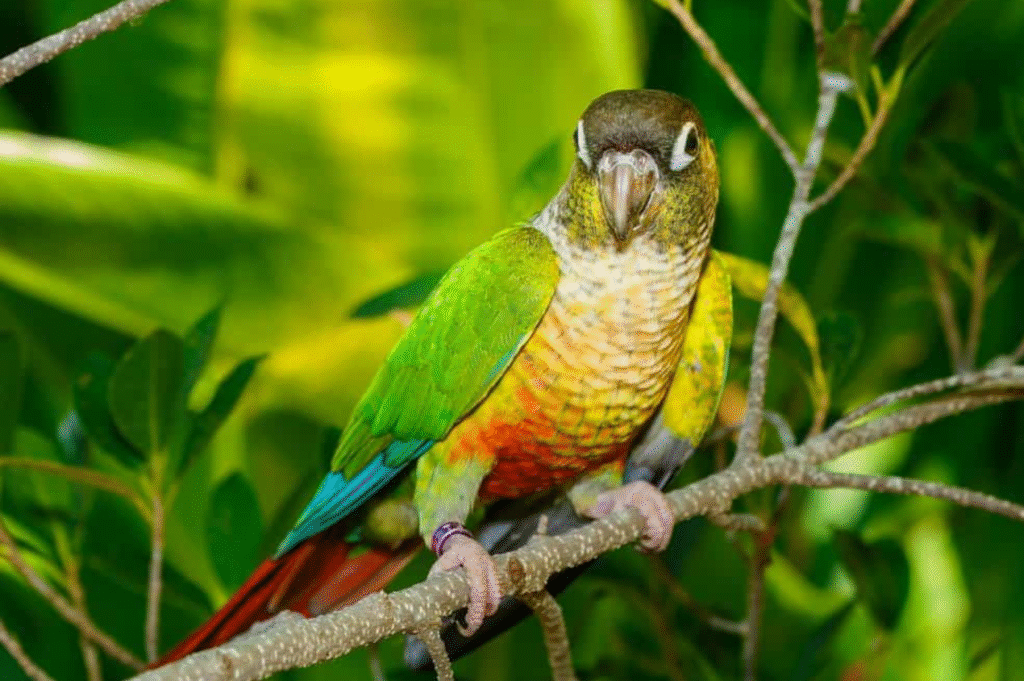
If you’re a parrot parent who also loves keeping houseplants, you’re probably wondering: Are spider plants toxic to parrots? Birds are curious and intelligent creatures, and parrots, in particular, love to chew on anything green and leafy.
But just because a plant looks harmless doesn’t mean it’s safe for your feathered friend.
In this article, we’ll explore whether spider plants are safe for parrots, the potential risks, signs of plant toxicity in birds, and how to create a bird-safe indoor plant environment.
Are Spider Plants Toxic to Parrots?
No, spider plants (Chlorophytum comosum) are not toxic to parrots. According to bird safety databases and avian experts, spider plants are generally considered non-toxic to pet birds.
However, just because they’re not poisonous doesn’t mean your parrot should eat them freely.
Why You Should Still Be Cautious
Even though spider plants are not inherently dangerous, here’s why you should be cautious if your parrot interacts with them:
1. Excessive Chewing
Parrots often chew on plants out of boredom, not hunger. Overconsumption of spider plants could cause mild digestive upset, especially if it’s not part of their regular diet.
2. Chemical Exposure
Spider plants grown indoors may have been exposed to:
- Fertilizers
- Pesticides
- Leaf shine sprays
- Mold or dust buildup
Even if the plant itself is non-toxic, chemical residues can harm your parrot.
3. Choking Hazard
Long, grassy spider plant leaves can be a choking hazard if torn into large pieces.
Are Spider Plants Safe for All Bird Species?
Yes, spider plants are widely regarded as safe for most pet birds, including:
- Parrots
- Cockatiels
- Parakeets (Budgies)
- African Greys
- Conures
Still, monitor their interaction. Every bird is different, and some may have sensitive stomachs.
Signs of Plant Poisoning in Parrots
If your parrot eats a toxic plant (or a large amount of a non-toxic one), look out for:
- Vomiting or regurgitation
- Diarrhea
- Lethargy
- Loss of balance
- Labored breathing
- Sudden behavior changes
📞 Contact an avian veterinarian immediately if you notice any of these symptoms.
Parrot-Safe Indoor Plants to Grow
Want a green home without risking your bird’s health? Here are some safe plants for parrots:
- Spider Plant
- Areca Palm
- Bamboo Palm
- Herbs (basil, mint, rosemary)
- African Violet
- Boston Fern
Pro Tip: Always double-check with avian-safe plant lists before introducing a new houseplant.
Plants That Are Toxic to Parrots
These common indoor plants are toxic and should be kept far from parrots:
- Philodendron
- Pothos (Devil’s Ivy)
- Dieffenbachia (Dumb Cane)
- Peace Lily
- Oleander
- Sago Palm
Even a few bites from these plants can be dangerous or even fatal to birds.
How to Keep Your Parrot and Houseplants Safe Together
Here are some practical tips to create a bird-safe indoor garden:
- Hang your plants or use wall-mounted planters out of beak’s reach
- Avoid any chemical treatments on indoor plants
- Rinse new plants thoroughly before placing them in your bird’s environment
- Remove toxic plants from your home completely if your bird is free to roam
- Supervise interaction during free-flying or playtime
Final Thoughts
To sum it up: Spider plants are safe for parrots, but that doesn’t mean you should let your bird snack on them freely. Limit access, avoid any chemicals, and always monitor their behavior after contact with any plant.
By making smart plant choices and staying informed, you can enjoy a home full of greenery without compromising your parrot’s safety.
Frequently Asked Questions
Can parrots eat spider plant leaves?
They can nibble occasionally, but it’s better to avoid letting them chew too much.
Are all indoor plants safe for parrots?
No. Many common plants are toxic to birds. Always research before bringing a new plant home.
What should I do if my parrot eats a suspicious plant?
Call your avian vet immediately and keep a sample of the plant for identification.