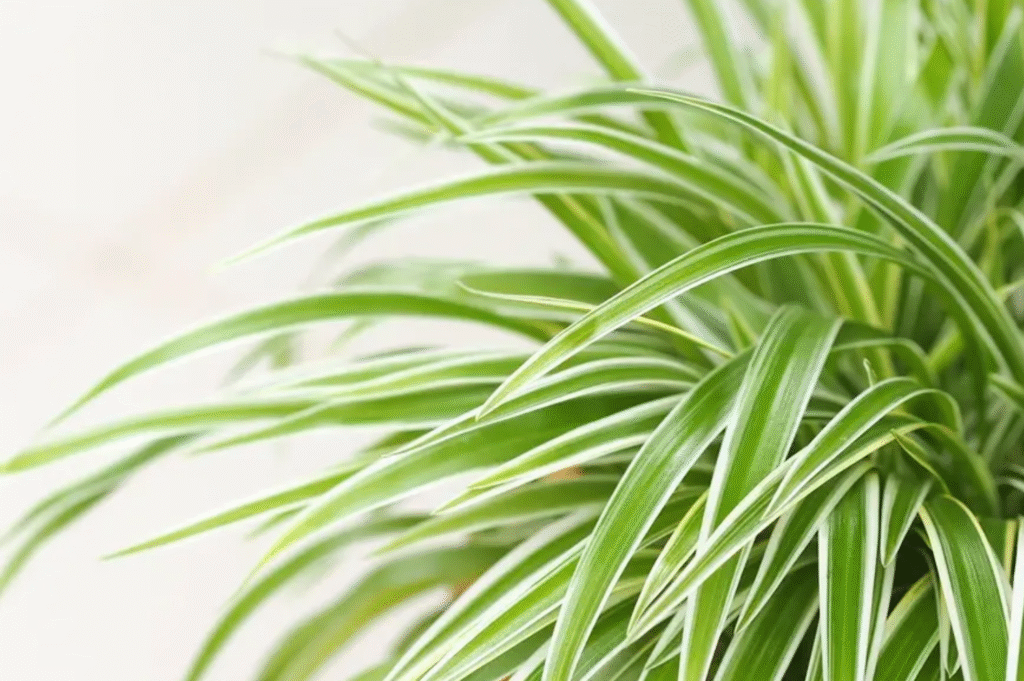
Spider plants (Chlorophytum comosum) are among the most popular indoor plants and for good reason. They’re easy to care for, grow quickly, and add a fresh, tropical vibe to any room. But if you’re considering adding one to your home or already have one, you might be wondering: Are spider plants toxic to humans?
Let’s explore the answer in detail, along with safety tips, benefits, and some common misconceptions that are often misunderstood about this popular houseplant.
Are Spider Plants Poisonous to Humans?
No, spider plants are not toxic to humans.
According to the ASPCA and various plant safety sources, spider plants are classified as non-toxic. This means they pose no serious risk if touched or accidentally ingested in small amounts.
That said, while spider plants are considered safe, it’s still important to understand a few exceptions and safety guidelines, especially if you have young children in the house.
What Makes Spider Plants Safe?
Spider plants don’t contain any harmful chemicals like oxalates or saponins that some other houseplants do. These compounds are common in toxic plants like Dieffenbachia (Dumb Cane) or Peace Lilies, which can cause irritation or vomiting if ingested.
Instead, spider plants are made up of simple plant tissues and water-rich leaves, which don’t trigger allergic reactions or toxicity in most humans.
Are Spider Plants Safe for Babies and Kids?
Yes, but with a small caution.
While spider plants are not poisonous, kids are naturally curious and may pull or chew on leaves. If a large quantity is eaten, it may cause a mild stomach upset or nausea, simply because plant matter isn’t digestible for humans in large amounts.
Tip for Parents:
If you have toddlers or crawling babies, it’s best to keep the spider plant out of reach, either on a shelf or in a hanging basket.
What Happens If You Accidentally Eat a Spider Plant?
For most adults, accidentally consuming a piece of a spider plant will likely cause no symptoms. If anything, you may experience:
- A slightly bitter taste
- Mild nausea (if consumed in larger quantities)
- No long-term side effects
If someone eats a large amount, drinking water and monitoring for symptoms is usually enough. In rare cases, you may want to consult a healthcare provider, especially for young children or those with sensitive digestive systems.
Can Spider Plants Cause Skin Allergies?
Spider plants have non-irritating sap, and skin contact does not usually cause any allergic reactions. However, as with all plants, a very small number of people may experience minor irritation due to individual sensitivities.
If you have sensitive skin, it’s a good idea to wear gloves when repotting or trimming the plant.
How to Keep Spider Plants Safe Around Children
Although spider plants are safe, here are some tips to prevent unnecessary contact:
- Hang Them High
Use hanging planters to keep them out of reach of small hands. - Teach Early
Let your child know that houseplants are for looking, not eating or pulling. - Supervise During Play
If the plant is in a shared play space, monitor interaction until children understand boundaries. - Choose Planter Wisely
Avoid ceramic pots that may break if knocked over.
Are Spider Plants Toxic to Pets?
This is another common concern. According to the ASPCA, spider plants are non-toxic to cats and dogs, but they can cause mild vomiting or diarrhea if eaten in large amounts, mostly due to the fibrous leaves and possible natural chemicals that affect digestion.
Bonus Tip:
Spider plants contain a mild hallucinogen (similar to catnip) that can attract cats, making them more likely to chew on it. While not dangerous, it’s best to keep your plant in a safe spot.
What to Do If Someone Eats a Spider Plant
If you discover that a child or adult has chewed or eaten part of a spider plant:
- Stay Calm
Remember, it’s non-toxic and not dangerous in small amounts. - Rinse Mouth
Give them water to rinse and spit. - Hydrate
Offer a glass of water to help flush the system. - Monitor Symptoms
Watch for signs of discomfort. If severe symptoms occur (which is rare), contact a doctor.
Benefits of Having Spider Plants Indoors
Aside from being safe, spider plants come with several health and home benefits:
1. Air Purification: NASA studies have shown spider plants remove pollutants like formaldehyde and carbon monoxide from indoor air.
2. Humidity Regulation: They release moisture into the air, helping prevent dry skin and respiratory issues.
3. Stress Reduction: Greenery in the home has been proven to lower stress and improve mood.
4. Easy Maintenance: They thrive on neglect and are perfect for beginners.
Common Myths About Spider Plant Toxicity
Let’s bust a few myths floating around the internet:
“Spider plants are poisonous because they attract cats.”
Not true. They attract cats due to their mild hallucinogenic compounds, not toxicity.
“Spider plants can harm your skin.”
Untrue for most people. They are usually very gentle on skin.
“Spider plants are bad for indoor air because of mold.”
False. In fact, they improve air quality. Mold is more about overwatering and poor drainage than the plant itself.
Final Verdict:
So, are spider plants toxic to humans?
No, spider plants are completely safe for humans of all ages.
They’re one of the best indoor plant choices for homes with kids, elders, or guests. With simple care, a spider plant will grow lush and vibrant while keeping your living space healthier and more beautiful.