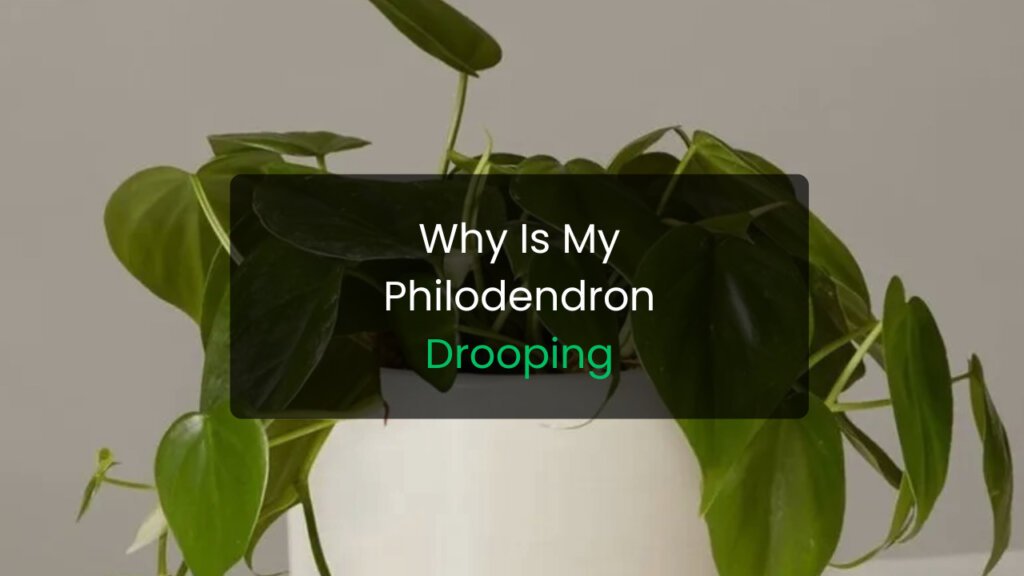
If your philodendron has started to droop, it’s usually a sign that something in its care routine needs attention. Philodendrons are resilient houseplants, but changes in water, light, humidity, or temperature can affect their health. Understanding the causes behind drooping leaves can help you bring your plant back to life quickly.
1. Overwatering
Overwatering is the most common reason for drooping philodendron leaves. When roots sit in soggy soil, they lose oxygen, leading to root rot. As a result, the plant cannot absorb water properly, causing the leaves to wilt or droop.
Solution:
Allow the top 1–2 inches of soil to dry before watering again. Make sure your pot has good drainage and avoid letting the plant sit in standing water.
2. Underwatering
If the soil is too dry, the plant lacks the moisture it needs to stay firm and healthy. The leaves may look limp or curl inward.
Solution:
Water your philodendron deeply until water runs out of the drainage holes. Maintain consistent moisture without letting the soil dry out completely.
3. Inadequate Light
Philodendrons thrive in bright, indirect light. Too little light can weaken the plant, while direct sunlight can scorch the leaves, causing drooping.
Solution:
Place your plant near a bright window with filtered light. Avoid direct afternoon sun and rotate the pot occasionally for even growth.
4. Temperature Stress
Sudden temperature drops or exposure to cold drafts can cause stress, leading to droopy leaves. Philodendrons prefer warm indoor temperatures between 65°F and 80°F.
Solution:
Keep the plant away from windows or vents that may cause sudden temperature changes. Maintain stable indoor conditions for healthy growth.
5. Low Humidity
Philodendrons are tropical plants and enjoy humid environments. Low indoor humidity, especially during winter, can make the leaves droop or turn brown at the edges.
Solution:
Increase humidity by misting the leaves, using a humidifier, or placing a water tray near the plant. Grouping plants together can also raise local humidity levels.
6. Root Problems
Root rot or compacted soil can stop the plant from absorbing water efficiently. If your philodendron continues to droop despite proper watering, inspect the roots.
Solution:
Gently remove the plant from its pot and check the roots. Trim off any black or mushy roots and repot in fresh, well-draining soil.
7. Transplant Shock
If you’ve recently repotted your philodendron, drooping may be due to transplant shock. The plant needs time to adjust to its new environment.
Solution:
Keep the soil evenly moist and provide consistent care. Avoid fertilizing until the plant shows signs of new growth.
How to Prevent Drooping in the Future
- Use well-draining potting mix with perlite or peat.
- Maintain consistent watering and avoid extremes.
- Place your plant in bright, indirect light.
- Keep humidity around 50–60%.
- Clean leaves regularly to improve photosynthesis.
FAQs
Will drooping leaves recover on their own?
Yes, if the issue is corrected quickly. Once proper watering and care are restored, leaves often perk up within a few days.
How do I know if my philodendron is overwatered or underwatered?
Overwatered leaves feel soft and yellowish, while underwatered leaves feel dry and crispy.
Should I trim drooping leaves?
Trim only if the leaves are yellow or damaged. Healthy drooping leaves can recover once the plant’s needs are met.
Can fertilizer help a drooping philodendron?
Only if nutrient deficiency is the issue. Avoid fertilizing stressed plants until they recover.
How often should I water my philodendron?
Water when the top inch of soil feels dry. Frequency depends on light, temperature, and humidity levels.
Final Thoughts
A drooping philodendron is not a lost cause. Most of the time, the problem comes from overwatering, low light, or sudden environmental changes. By observing your plant’s signals and adjusting its care routine, you can restore its lush and vibrant look. With the right balance of water, light, and humidity, your philodendron will thrive again.