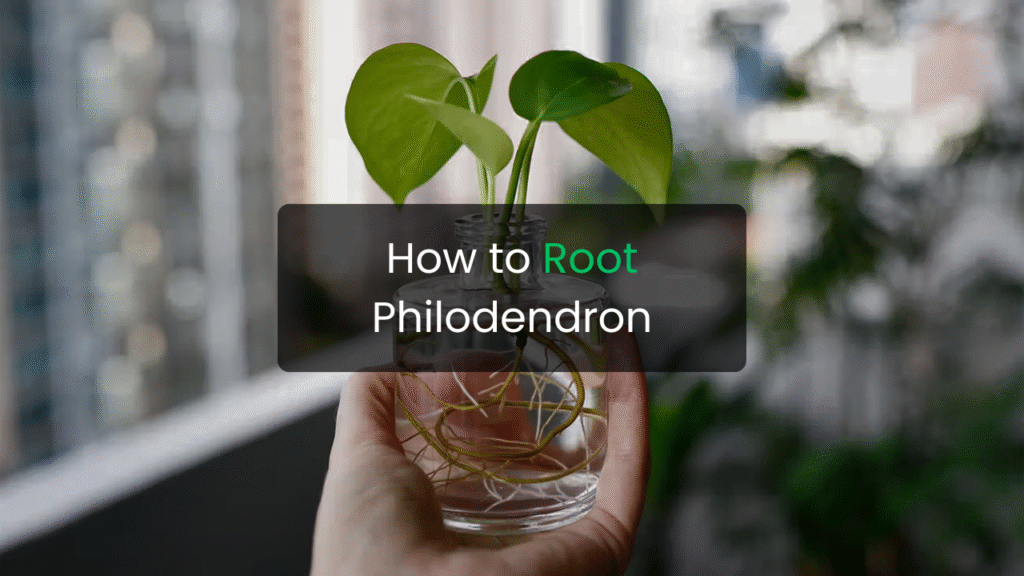
Rooting a philodendron is one of the easiest ways to grow new plants from cuttings. Whether you’re an indoor plant lover or a beginner gardener, this process is simple and rewarding. Philodendrons are naturally fast-growing tropical plants that adapt well to different propagation methods.
Understanding Philodendron Propagation
Propagation is the process of creating a new plant from a stem cutting. In philodendrons, the key to success lies in the node—the small bump or joint on the stem where roots and new leaves grow. Without a node, the cutting will not develop roots.
There are two main ways to root philodendron cuttings:
- Water propagation
- Soil propagation
Both methods can produce healthy roots if done correctly.
Method 1: Rooting Philodendron in Water
Water propagation is the most popular method because it allows you to watch the roots grow. Here’s how to do it:
- Choose a Healthy Cutting
Select a stem with at least one node and two to three leaves. Cut just below the node using clean scissors or pruning shears. - Prepare the Cutting
Remove any leaves near the bottom node to prevent them from sitting in water. - Place in Water
Put the cutting in a clear glass or jar filled with clean, room-temperature water. Make sure the node is fully submerged while the leaves stay above the waterline. - Change Water Regularly
Replace the water every few days to keep it fresh and oxygenated. - Wait for Root Growth
Roots usually begin to appear within two to four weeks. Once they reach about two inches long, the cutting is ready to be planted in soil.
Method 2: Rooting Philodendron in Soil
If you prefer to skip the water stage, you can root philodendron directly in soil. This method helps the plant adjust faster once it starts growing.
- Prepare a Pot
Use a small pot with drainage holes and fill it with a light, well-draining soil mix such as peat and perlite. - Plant the Cutting
Insert the stem cutting into the soil so that the node is buried. Gently press the soil around it to secure the cutting. - Water Lightly
Keep the soil slightly moist but not soggy. Too much water can cause rot. - Provide Indirect Light
Place the pot in bright, indirect sunlight. Consistent warmth and humidity will help the roots develop faster. - Monitor Growth
New growth and resistance when gently tugged indicate successful rooting, usually within four to six weeks.
Tips for Successful Rooting
- Use filtered or rainwater for best results.
- Maintain humidity by covering the cutting with a clear plastic bag if your indoor air is dry.
- Avoid direct sunlight, which can burn young leaves and slow root development.
- Use rooting hormone on the node for faster results, though it’s optional.
Common Mistakes to Avoid
- Using a stem without a node
- Overwatering the cutting
- Keeping the plant in dark or cold conditions
- Neglecting to change water regularly during water propagation
When to Transplant
Once your philodendron cutting has developed strong roots (about 2–3 inches long), it’s time to move it into soil. Choose a pot with good drainage and use a loose, well-aerated mix to encourage continued root growth. Keep watering consistently until the plant is established.
FAQs
How long does it take for a philodendron cutting to root?
It usually takes 2 to 4 weeks for roots to appear, depending on temperature, humidity, and light conditions.
Should I use rooting hormone for philodendron cuttings?
It’s not necessary, but using rooting hormone can speed up root development and improve success rates.
Can I root philodendron cuttings in moss?
Yes, sphagnum moss is an excellent medium that holds moisture while allowing airflow, ideal for rooting philodendrons.
Why are my philodendron cuttings rotting in water?
Rotting occurs if the water is not changed regularly or the cutting is kept in low light. Replace the water often and ensure the node is not damaged.
What is the best time to root philodendron?
Spring and summer are the best seasons for propagation because the plant is actively growing and roots faster.
Final Thoughts
Rooting philodendron is an easy and satisfying way to multiply your collection. With the right conditions and care, your cuttings will quickly turn into thriving plants. Whether you choose water or soil propagation, the key is patience, cleanliness, and consistent care.