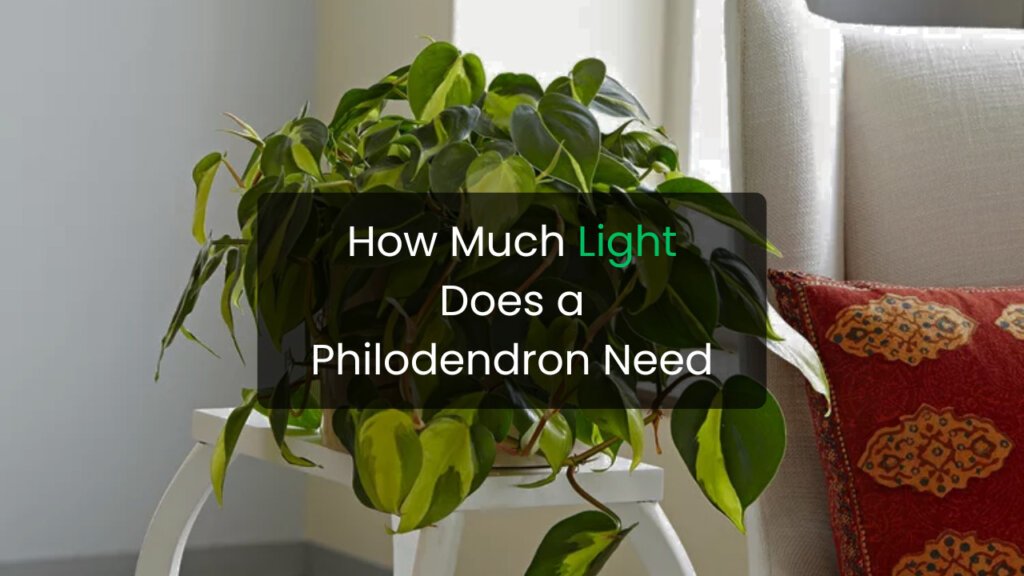
Philodendrons are popular houseplants known for their attractive foliage and easy care. To keep them lush and healthy, understanding their light requirements is essential. Whether grown indoors or outdoors, providing the right amount of light helps these tropical plants flourish and maintain vibrant leaves.
Ideal Light Conditions for Philodendrons
Philodendrons thrive in bright, indirect light. In their natural habitat, they grow under the forest canopy, where sunlight filters through the trees. This means they are used to gentle, diffused light rather than direct sun exposure.
Placing your philodendron near a window with filtered sunlight or in a well-lit room is ideal. An east-facing or north-facing window works best. If your plant is in a south or west-facing room, keep it a few feet away from the window or use a sheer curtain to protect it from direct rays.
Can Philodendrons Tolerate Low Light?
Yes, philodendrons can tolerate low-light conditions, but they will grow more slowly. Varieties like Heartleaf Philodendron (Philodendron hederaceum) are particularly adaptable to lower light. However, prolonged low-light exposure may cause leggy growth, smaller leaves, and reduced color intensity.
For best results, try to provide at least a few hours of moderate to bright, indirect light daily.
What Happens If a Philodendron Gets Too Much Sunlight
Direct sunlight can be harmful to philodendrons. If exposed for too long, the leaves may develop brown spots, yellow edges, or sunburn marks. These signs indicate that the plant is receiving more light than it can handle.
To fix this, move the plant to a shaded area or diffuse the sunlight with a light curtain.
Growing Philodendrons Under Artificial Light
If you don’t have access to natural light, philodendrons can also grow well under artificial grow lights. LED or fluorescent lights that mimic natural sunlight are suitable options. Place the lights about 12 to 24 inches above the plant and keep them on for 10–12 hours daily.
This setup works perfectly for offices, apartments, or darker rooms where natural light is limited.
Outdoor Light Requirements
When grown outdoors, philodendrons should be placed in partial shade. They enjoy bright but filtered sunlight, such as under trees or patio covers. Avoid placing them in full sun, especially during hot summer afternoons, as the intense rays can scorch their leaves.
If you live in a tropical or subtropical region, outdoor philodendrons can thrive year-round in a shaded or dappled light environment.
Signs Your Philodendron Needs More or Less Light
Needs more light:
- Slow growth or smaller new leaves
- Pale or faded leaf color
- Stretched stems reaching toward light
Needs less light:
- Brown or scorched leaf edges
- Yellowing leaves
- Dry or crispy leaf texture
By observing your plant’s behavior, you can easily adjust its position and provide the right light balance.
Final Tips for Healthy Growth
- Rotate your plant every few weeks to ensure even light exposure.
- Clean the leaves regularly to remove dust that blocks sunlight.
- Adjust lighting with seasonal changes, as sunlight patterns vary during the year.
Proper light management ensures your philodendron stays healthy, lush, and vibrant all year long.
FAQs
Can a philodendron survive in a room with no windows?
Yes, but it needs artificial grow lights to stay healthy. Without any light source, it will eventually weaken.
How many hours of light does a philodendron need daily?
About 8–12 hours of bright, indirect light per day is ideal.
Can I put my philodendron in direct sunlight for a few hours?
It’s better to avoid direct sun. A few minutes of morning sunlight is fine, but midday sun can damage the leaves.
What kind of artificial light is best for philodendrons?
Full-spectrum LED grow lights work best because they mimic natural daylight.
Why are my philodendron leaves turning yellow?
Too much sunlight or inconsistent watering could be the cause. Adjust lighting and check soil moisture.