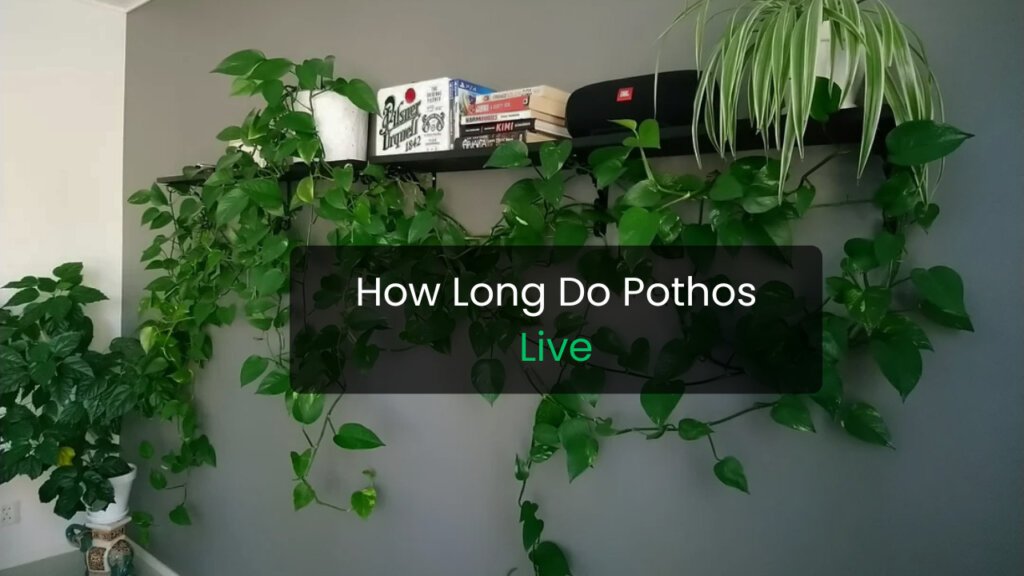
Pothos is one of the most popular and easy-to-grow indoor plants. Many plant lovers wonder how long these beautiful vines can live. With proper care, a pothos plant can live for 10 years or more, sometimes even decades. Its long lifespan depends on how well you maintain its growing conditions, including light, watering, and pruning.
Pothos is known for its hardy nature, which makes it a great choice for beginners. Even though it can tolerate neglect, consistent care ensures that your plant stays healthy and continues to grow vibrant, green leaves for years.
Average Lifespan of Pothos
On average, a pothos plant lives between 5 to 10 years indoors. However, many indoor gardeners have successfully kept their pothos alive for 20 years or longer with regular care and propagation.
Pothos does not have a fixed lifespan like some plants. Instead, its life depends on how it’s maintained. Since it can easily be propagated, you can keep growing new generations of the same plant, allowing your pothos to live on indefinitely.
Factors That Affect the Lifespan of Pothos
1. Light Conditions
Pothos grows best in bright, indirect light. Too little light slows growth and causes yellowing leaves, while too much direct sunlight can burn them. A balanced light source helps maintain healthy foliage and a longer life.
2. Watering Habits
Overwatering is one of the most common reasons pothos plants die early. Always let the top inch of soil dry before watering again. Proper drainage is key to preventing root rot, which can shorten its lifespan.
3. Soil Quality
Use well-draining potting soil with good aeration. A mix containing perlite or coco coir helps the roots breathe and grow stronger, contributing to a longer life.
4. Humidity and Temperature
Pothos prefers moderate humidity and temperatures between 65°F to 85°F (18°C to 29°C). Keeping it away from cold drafts or heating vents helps the plant stay healthy year-round.
5. Pruning and Propagation
Regular pruning encourages new growth and prevents the plant from becoming leggy. Propagating pothos from healthy cuttings allows you to extend the life of your original plant indefinitely.
6. Pest Management
Common pests like spider mites and mealybugs can stress your plant and reduce its lifespan. Inspect your pothos regularly and clean the leaves with a damp cloth to keep pests away.
How to Make Your Pothos Live Longer
- Water properly: Avoid waterlogging the soil.
- Provide enough light: Place it near a window with filtered sunlight.
- Fertilize occasionally: Feed every 2–3 months during spring and summer using a balanced liquid fertilizer.
- Repot when needed: Repot every 2–3 years to refresh the soil and promote root health.
- Keep it clean: Dust off leaves to help with better photosynthesis.
With the right environment and attention, your pothos can easily become a long-lasting part of your indoor garden.
Can Pothos Live Forever?
Technically, no single pothos plant can live forever. However, through propagation, you can grow new plants from the same mother plant over and over again. This process allows your pothos lineage to continue for decades, essentially giving it an endless life cycle.
Final Thoughts
Pothos is one of the most durable and rewarding houseplants to grow. With proper care, this low-maintenance vine can live 10 years or more, bringing a touch of greenery to your space for a long time. By understanding its needs and practicing good plant care, you can enjoy a thriving pothos for years to come.
FAQs
What is the average lifespan of a pothos plant?
A pothos plant usually lives between 5 to 10 years, but with good care, it can live much longer.
Can pothos live forever through propagation?
Yes, you can keep propagating new pothos plants from the old one, allowing its legacy to live on indefinitely.
Why is my pothos dying early?
Overwatering, poor lighting, or root rot are common reasons pothos may die early.
How can I tell if my pothos is healthy?
Healthy pothos have vibrant green leaves, steady growth, and no yellowing or drooping.
Do pothos plants need fertilizer?
While not always necessary, fertilizing every few months helps promote strong growth and long-term health.