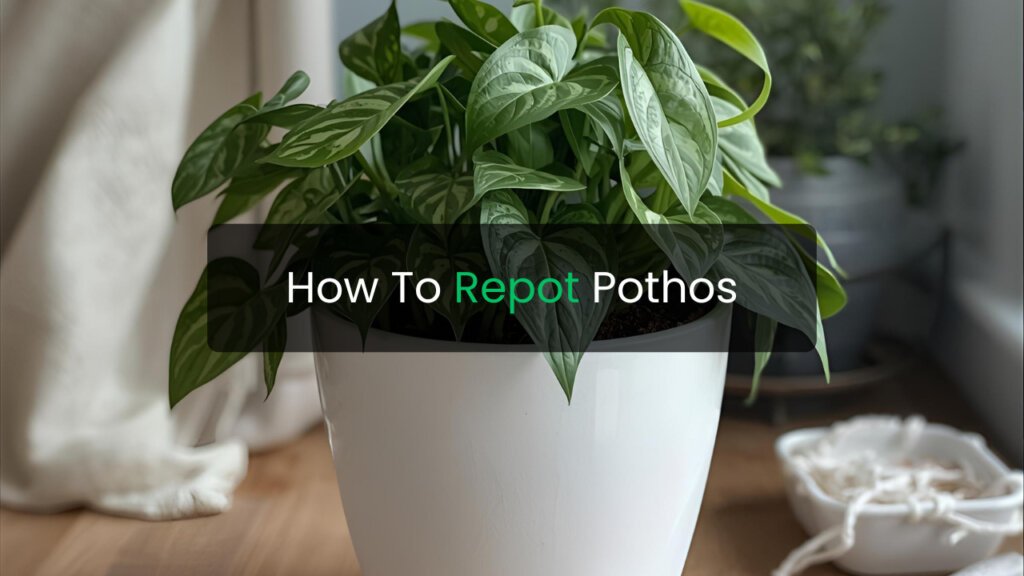
Repotting your pothos is an important part of keeping it healthy and growing well. Over time, this low-maintenance plant can outgrow its pot, leading to tangled roots and slower growth. Knowing how to repot pothos properly helps it stay full, green, and thriving.
When to Repot Pothos
You should repot your pothos every 1 to 2 years or whenever you notice these signs:
- Roots growing out of the drainage holes
- Soil drying out too quickly
- Yellowing leaves or slow growth
- The plant looks too big for its pot
Spring or early summer is the best time to repot, as this is when your pothos is actively growing and can easily recover.
What You Need to Repot Pothos
Before you begin, gather the following supplies:
- A pot 1 to 2 inches larger than the current one
- Fresh, well-draining potting mix
- Scissors or pruning shears
- A small trowel or spoon
- Gloves (optional)
A good soil mix for pothos should include peat moss, perlite, and pine bark for proper drainage and aeration.
Step-by-Step Guide to Repot Pothos
Step 1: Remove the Plant from Its Pot
Gently hold the base of the plant and tilt the pot sideways. Tap the bottom to loosen the soil and roots. Carefully slide the plant out without pulling too hard.
Step 2: Loosen the Roots
Shake off excess soil and gently untangle the roots. Trim any dead or mushy roots with sterilized scissors to promote healthy new growth.
Step 3: Add Fresh Soil
Add a small amount of fresh potting mix to the bottom of the new pot. Make sure the pot has drainage holes to prevent waterlogging.
Step 4: Place the Pothos in the New Pot
Set the plant in the center and fill around it with soil. Press the soil lightly to remove air pockets but avoid compacting it too much. The base of the stems should sit just above the soil line.
Step 5: Water the Plant
After repotting, water your pothos thoroughly until water drains from the bottom. This helps settle the soil around the roots.
Step 6: Provide Proper Care
Place the repotted pothos in bright, indirect light. Avoid direct sunlight for a few days to let the plant adjust. Continue your normal watering schedule once the top inch of soil feels dry.
Aftercare Tips for Repotted Pothos
- Avoid fertilizing for 3 to 4 weeks to prevent root burn.
- Keep the soil slightly moist but not soggy.
- Wipe the leaves to remove dust and help with photosynthesis.
- Rotate the pot occasionally for even growth.
Repotting gives your pothos more room to grow, allowing its roots to spread and the plant to produce new leaves and longer vines.
Common Mistakes to Avoid
- Using a pot that’s too large: This can cause excess moisture and root rot.
- Overwatering after repotting: Newly repotted pothos need time to adjust, so avoid soaking the soil too often.
- Ignoring drainage: Always choose pots with drainage holes to prevent water buildup.
FAQs
How often should I repot my pothos?
You should repot pothos every 1 to 2 years or when you notice roots growing out of the pot.
Can I use regular garden soil for pothos?
No, garden soil is too heavy and may hold excess water. Use a well-draining indoor potting mix instead.
What pot size is best for repotting pothos?
Choose a pot that is 1 to 2 inches larger in diameter than the current one.
Should I trim the roots when repotting?
Yes, you can trim any damaged, brown, or mushy roots to encourage new growth.
Can I repot pothos in winter?
It’s best to repot in spring or early summer when the plant is actively growing for faster recovery.
Final Thoughts
Repotting pothos is a simple task that makes a big difference in your plant’s health and appearance. By following these steps and using the right soil and pot, you can help your pothos grow fuller, stronger, and more vibrant all year round.