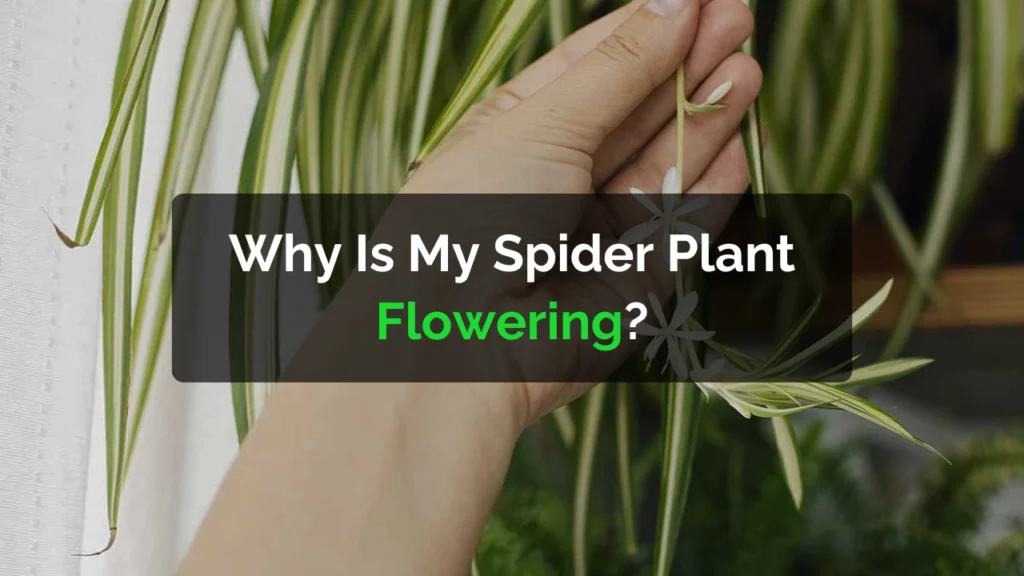
If you’ve noticed small white flowers blooming on your spider plant, it’s a good sign. Flowering in spider plants shows that your plant is healthy, mature, and growing in the right conditions. While not every spider plant blooms indoors, when it does, it’s responding to proper care and environment. Let’s explore why this happens and what you can do to encourage or manage it.
1. Maturity and Growth Stage
Spider plants usually start flowering once they reach maturity, which happens after about one year of growth. Mature plants produce long arching stems called runners or stolons. These runners develop small white flowers, which later turn into baby plants (often called spiderettes).
2. Adequate Light Exposure
Light plays a major role in triggering flowering. Spider plants thrive in bright, indirect sunlight. When they receive the right amount of light daily, they get enough energy to bloom. However, too much direct sun can scorch their leaves, while too little light can prevent flowering altogether.
3. Proper Watering and Feeding
Balanced watering and occasional feeding can encourage your spider plant to flower. Keep the soil slightly moist but not soggy, and feed your plant every 4–6 weeks during spring and summer using a mild houseplant fertilizer. Excess fertilizer, especially high in nitrogen, can result in leafy growth without blooms.
4. Ideal Temperature and Humidity
Spider plants prefer moderate temperatures between 65°F and 75°F (18°C–24°C). Consistent room temperature with average humidity encourages steady growth and flowering. Avoid placing your plant near cold drafts or heating vents that can stress it.
5. Photoperiod and Natural Cycles
Flowering often occurs in spring or early summer when daylight hours increase. This natural rhythm tells the plant it’s time to reproduce. If your spider plant is placed near a bright window or under artificial grow lights that mimic daylight, it may bloom more frequently.
6. Stress and Reproduction
Sometimes, a spider plant flowers when it senses mild stress, such as being slightly root-bound in its pot. This is the plant’s natural way of reproducing to ensure survival. As long as the leaves look healthy, a little root crowding isn’t harmful and can even encourage flowering.
7. What Happens After Flowering
After the flowers fade, small plantlets (spiderettes) begin to form on the same stems. These can be left to grow as decorative trailing plants or propagated into new spider plants by planting them in soil or water.
How to Encourage Your Spider Plant to Flower
- Provide bright, indirect light for 8–10 hours daily.
- Water moderately and let the soil slightly dry between waterings.
- Fertilize with a balanced, low-nitrogen formula during the growing season.
- Avoid repotting too often; slight root binding helps trigger blooms.
- Maintain consistent indoor temperature and humidity levels.
Common Reasons Your Spider Plant Isn’t Flowering
- Insufficient light exposure
- Overfertilization or too much nitrogen
- Frequent repotting
- Extreme temperatures
- Irregular watering
Addressing these factors usually helps your spider plant return to its natural blooming cycle.
FAQs
Is it normal for spider plants to flower indoors?
Yes, many healthy spider plants bloom indoors when given enough light and proper care.
Should I remove the flowers or runners?
You can leave them for a natural look or trim them if you want the plant to focus on foliage growth.
Can I grow new plants from the flowers?
Not directly from flowers, but you can propagate new spider plants from the small plantlets that grow after flowering.
Does flowering mean my spider plant is stressed?
Not necessarily. Flowering can happen due to maturity and good conditions, but mild root stress can sometimes trigger blooms too.
How often do spider plants flower?
Typically, they bloom once a year, usually in spring or early summer, depending on light and care.