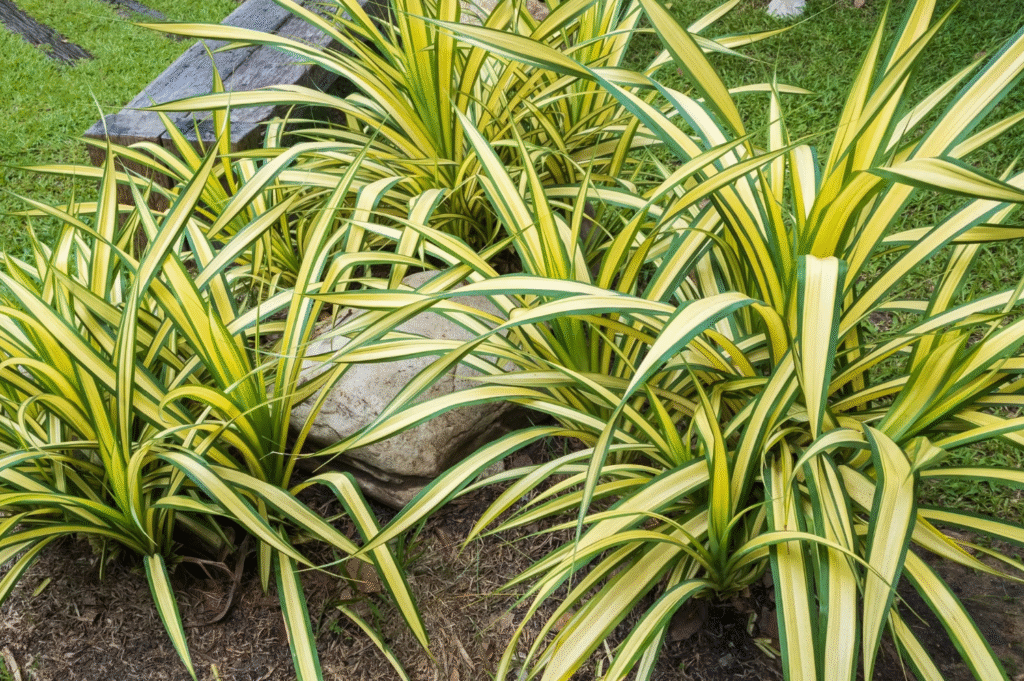
Spider plants (Chlorophytum comosum) are widely loved for their graceful arching leaves, ease of care, and ability to purify indoor air. While they thrive as houseplants, many plant owners wonder: can spider plants be placed outdoors during the summer months?
The good news is “yes, spider plants can live outside in summer”, as long as they are protected from extreme conditions. This article will guide you through everything you need to know to safely move your spider plant outdoors, including sunlight needs, temperature range, and how to bring it back in when the season changes.
Why Consider Moving Spider Plants Outdoors in Summer?
During the warmer months, placing your spider plant outdoors can offer several benefits if done correctly. Natural elements like light, air, and humidity can enhance plant growth and overall health.
Key Advantages of Outdoor Placement:
- More vigorous growth due to natural light exposure.
- Increased humidity, which spider plants love.
- Better air circulation, helping reduce indoor-related fungal problems.
- Stimulation of spiderettes, or baby plants, due to increased daylight hours.
However, moving your plant outside isn’t as simple as just placing it on the porch. Certain factors need to be considered to keep your plant thriving.
Ideal Conditions for Outdoor Spider Plant Care
To help your spider plant adapt and flourish outdoors in the summer, it’s essential to provide the proper environment.
1. Temperature
Spider plants grow best when temperatures stay between 65°F to 85°F (18°C to 29°C). Avoid placing them outside if nighttime temperatures fall below 50°F (10°C).
- Ideal range: 65°F–85°F
- Danger zone: Below 50°F or above 90°F
2. Sunlight
Though spider plants love bright areas, they can’t tolerate direct sunlight for long hours. Harsh sun exposure can cause leaf scorch and fading.
- Best location: Dappled shade, a covered patio, or under a large tree.
- Avoid: Full sun, especially during afternoon hours.
3. Humidity and Airflow
Summer naturally brings higher humidity, which supports healthy spider plant growth. Also, being outside improves airflow, lowering the chances of fungal issues like root rot or mildew.
How to Move Your Spider Plant Outdoors Safely
Transitioning your spider plant outside should be done gradually to avoid shock. Here’s how to do it the right way:
Step 1: Start with Short Outdoor Sessions
Begin by placing the plant outside for a couple of hours a day in a shaded spot. Gradually increase the exposure time over a week or two.
Step 2: Use a Pot with Good Drainage
Outdoor conditions (especially unexpected rain) can easily overwater your plant. Ensure the pot has proper drainage holes to prevent root rot.
Step 3: Monitor for Stress
Keep an eye on leaf tips and overall color. If you notice yellowing or brown tips, it may be due to too much light or water.
How to Water Spider Plants in Summer
Being outdoors, spider plants dry out faster than indoors. However, they still dislike being overwatered.
Summer Watering Tips:
- Water only when the top inch of soil is dry.
- Avoid letting water sit at the base of the pot.
- Use rainwater or filtered water to prevent salt buildup on leaves.
Pro Tip: Stick your finger 1 inch into the soil. If it feels dry, it’s time to water.
Should You Fertilize Spider Plants Outdoors?
Yes, outdoor plants grow faster and often benefit from extra nutrients.
- Use a balanced, water-soluble fertilizer every 2 to 3 weeks.
- Don’t overfeed, too much fertilizer can damage roots and lead to leaf browning.
Look for fertilizers labeled 10-10-10 or 20-20-20 for best results.
Are Outdoor Spider Plants at Risk of Pests?
Outdoors, your spider plant is more exposed to potential pests. However, they are not pest magnets and with basic care, problems are minimal.
Common Pests to Watch For:
- Aphids
- Spider mites
- Mealybugs
- Snails or slugs (in moist, shady areas)
How to Prevent Infestations:
- Wipe leaves regularly with a damp cloth.
- Inspect weekly for insects or damage.
- Apply neem oil or insecticidal soap if needed.
When to Bring Spider Plants Back Indoors
Spider plants are not cold-hardy. As the summer ends and temperatures drop, it’s important to bring them inside before cold nights arrive.
Transition Tips:
- Begin moving the plant back indoors once night temperatures dip below 50°F (10°C).
- Inspect thoroughly for bugs or eggs.
- Rinse off leaves and topsoil to remove outdoor residue.
- Quarantine the plant away from other indoor plants for a few days.
Can You Plant Spider Plants in the Ground During Summer?
In USDA Zones 9–11, spider plants can survive outdoors year-round and may even be planted directly into the ground. However, in most climates, they are best kept in containers so they can be brought indoors as needed.
Final Thoughts
Spider plants can absolutely live outside in the summer, and they may even thrive more than they do indoors, provided they receive filtered light, regular watering, and protection from pests. The fresh air and natural humidity can enhance their health, help them grow faster, and even encourage baby plant production.
Just remember to monitor temperature changes and bring your plant indoors before the weather turns cold. With the right care, your spider plant can enjoy a productive and healthy summer season outdoors.