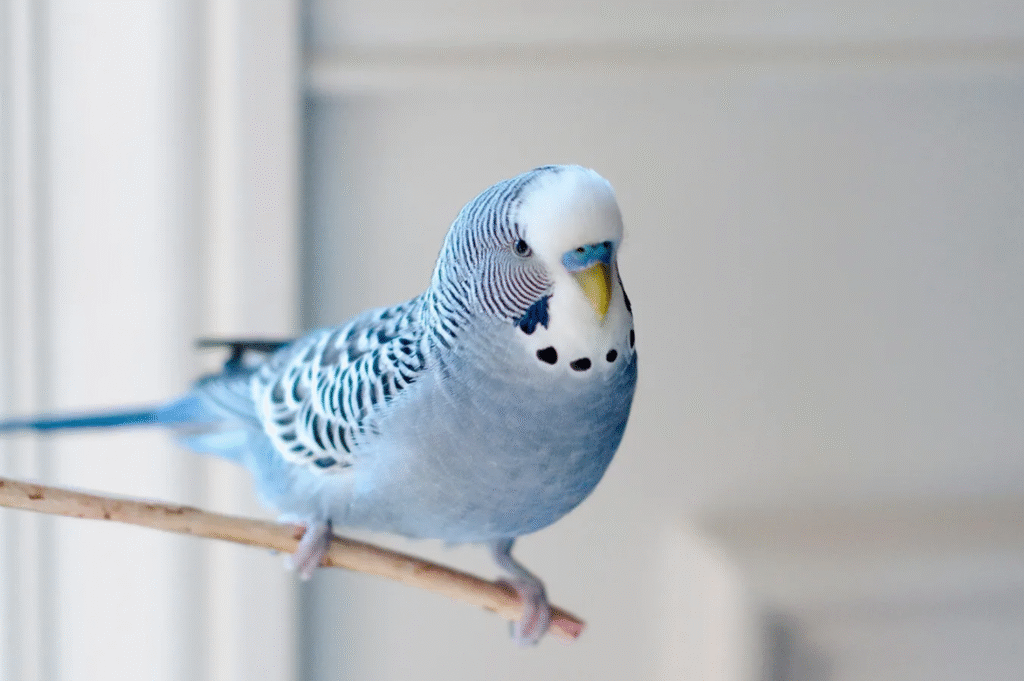
Indoor plants bring beauty and fresh air to our homes, but for pet owners (especially bird lovers) it’s crucial to know which plants are safe. One common question among budgie (parakeet) owners is: Are spider plants toxic to budgies?
If you’re a proud budgie parent and also love indoor greenery, you’re in the right place. This guide will explore the safety of spider plants, possible risks, how to prevent accidental ingestion, and tips for a bird-friendly plant collection.
What Is a Spider Plant?
Spider plants (Chlorophytum comosum) are among the most popular houseplants, thanks to their elegant arching leaves and easy care. They’re often praised for their air-purifying qualities, and their cascading baby “spiderettes” make them visually appealing in hanging baskets or on shelves.
Known for being non-toxic to cats and dogs, spider plants are often marketed as safe for homes with pets. But when it comes to birds (especially budgies) things get more nuanced.
Are Spider Plants Toxic to Budgies?
No, spider plants are not considered toxic to budgies. According to the ASPCA and various avian forums, spider plants are generally safe for birds and do not contain known harmful compounds like oxalates or alkaloids that would cause serious poisoning.
However, this doesn’t mean your budgie should be snacking on spider plants regularly.
Why You Still Need to Be Cautious
Even though spider plants are labeled “non-toxic,” there are still some factors bird owners should be aware of:
1. Mild Digestive Upset
If your budgie nibbles on the leaves, it may experience a mild stomach upset or diarrhea—not because the plant is toxic, but because it’s not part of their natural diet. Just like humans feel unwell after eating something strange, birds react similarly.
2. Pesticides and Chemical Residue
Many houseplants bought from nurseries are treated with chemical fertilizers, insecticides, or fungicides. These substances can remain on the leaves and may be toxic if ingested by birds. Always wash and quarantine new plants before placing them near your budgie.
3. Behavioral Issues
Budgies are curious and may start nibbling on your spider plant out of boredom. Regular chewing on plants can become a habit, which isn’t ideal if the plant is part of your decor. It can also lead to over-ingestion and digestive troubles.
How to Keep Your Budgie Safe Around Spider Plants
If you choose to keep spider plants near your budgie’s cage or in free-flying areas, here are a few safety tips:
1. Keep Plants Out of Reach
Place your spider plants on high shelves, in hanging baskets, or in areas your budgie doesn’t normally visit. This reduces the chances of constant nibbling.
2. Choose Organic or Chemical-Free Plants
If possible, grow your spider plant from cuttings or buy from organic suppliers. Avoid using commercial sprays or fertilizers that may be harmful to birds.
3. Monitor Interaction
Letting your budgie explore around plants is fine, but keep an eye on their behavior. If they show too much interest in chewing the leaves, consider moving the plant out of sight.
4. Wash Leaves Regularly
Dust and airborne toxins can settle on plant leaves. Gently rinse the leaves with plain water every couple of weeks, especially if your bird flies freely indoors.
Benefits of Spider Plants Around Birds
Despite the cautionary notes, spider plants actually offer several advantages in a bird-friendly environment:
Air Purification
Spider plants help remove toxins like formaldehyde and carbon monoxide from the air—creating a healthier indoor atmosphere for both you and your budgie.
Humidity Boost
Plants release moisture through transpiration, which can slightly improve humidity levels. Birds like budgies, who thrive in more humid environments, can benefit from this.
Low Maintenance
Spider plants require minimal care, making them ideal for busy bird parents. They thrive in indirect light and can handle occasional neglect.
Safe Plants for Budgies (Besides Spider Plants)
If you’re planning to build a more bird-safe indoor garden, here are some other non-toxic plants to consider:
- Areca Palm
- Boston Fern
- Bamboo Palm
- Prayer Plant (Maranta)
- African Violet
- Peperomia
- Calathea
These plants are known to be safe for birds and still offer beauty and greenery to your indoor spaces.
Plants You Should Absolutely Avoid
Some houseplants are highly toxic to budgies and other birds. Avoid placing the following in any bird-accessible area:
- Philodendron
- Dieffenbachia (Dumb Cane)
- Pothos
- Peace Lily
- Oleander
- Sago Palm
Even a small nibble from these can lead to serious health issues or even death.
What To Do If Your Budgie Eats a Spider Plant
In most cases, a small nibble won’t harm your budgie. However, keep an eye out for these symptoms:
- Fluffed-up feathers
- Loss of appetite
- Lethargy
- Vomiting or diarrhea
- Unusual droppings
If any of these symptoms appear, consult an avian vet immediately. Bring a photo of the plant and, if possible, a sample leaf to help with diagnosis.
Final Verdict:
To answer the main question again: Are spider plants toxic to budgies?
No, they are not toxic. But responsible plant parenting means taking steps to prevent overconsumption, pesticide exposure, and digestive discomfort.
Spider plants can safely coexist in a home with budgies, as long as you maintain a bird-safe, chemical-free environment. With a little planning, you can enjoy the best of both worlds: vibrant houseplants and a happy, healthy feathered friend.