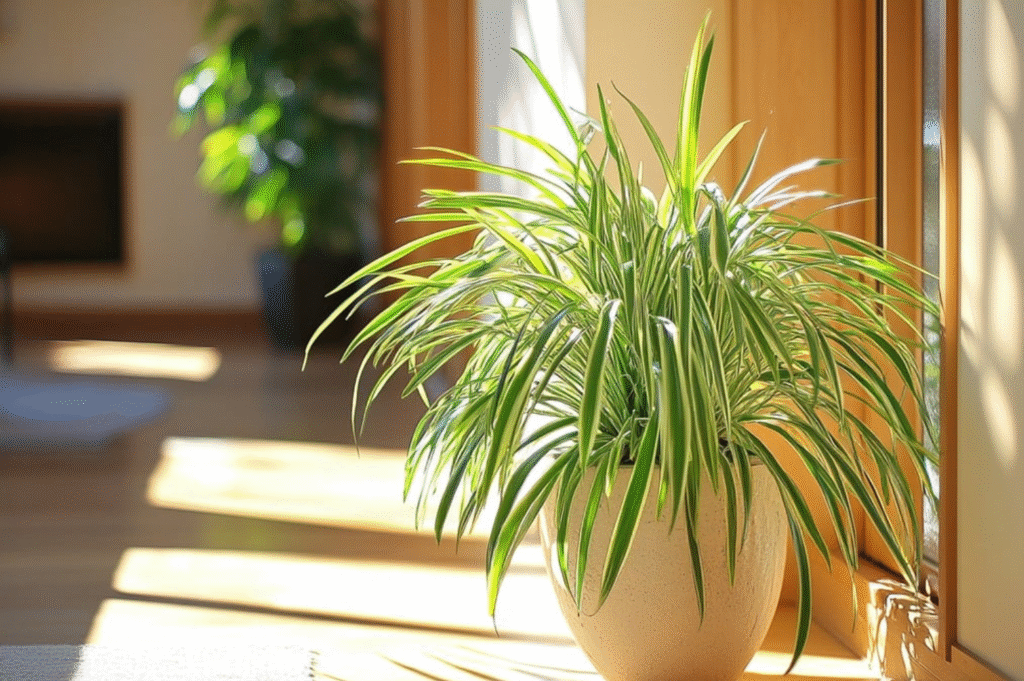
Spider plants (Chlorophytum comosum) are popular indoor plants thanks to their arching green-and-white leaves and low-maintenance nature. But if you’re a bird owner, you might be wondering: Is the spider plant toxic to birds?
The short answer is: No, spider plants are not toxic to birds. But there are still a few important things to consider before placing one near your feathered friend.
Are Spider Plants Safe for Birds?
Spider plants are listed as non-toxic to pets by the ASPCA, although their list mainly covers cats and dogs. When it comes to birds, most avian vets and experts agree that spider plants do not contain harmful chemicals or toxic compounds that would poison birds.
So, if your parrot, budgie, or cockatiel happens to nibble on a leaf or two, there’s no immediate cause for concern.
Can Birds Get Sick from Eating Spider Plants?
Even though spider plants aren’t toxic, that doesn’t mean they’re totally risk-free.
Here are a few situations where spider plants can still cause mild issues:
1. Overeating Plant Material
Birds are curious by nature and may chew on the leaves out of boredom. If they consume large quantities, it might lead to:
- Upset stomach
- Loose droppings
- Lack of appetite
2. Chemical Exposure
If your spider plant has been sprayed with pesticides, fertilizers, or leaf shiners, the residue can be harmful. Birds have sensitive systems and can react strongly to even small amounts of chemicals.
3. Choking Hazard
Some birds might play with or chew long leaves. This could lead to tangling around the beak or tongue or even blockage if swallowed in larger pieces.
Signs Your Bird May Be Reacting to a Plant
Keep an eye out for the following symptoms if your bird has been munching on your spider plant:
- Diarrhea or watery droppings
- Fluffed-up feathers
- Vomiting or regurgitation
- Lack of energy
- Refusing food or water
If you notice any of these signs, consult an avian veterinarian immediately.
How to Safely Keep Spider Plants Around Birds
Here’s how to enjoy spider plants while keeping your bird safe:
1. Use Organic Soil and Products
Avoid chemical fertilizers or pest control sprays. Choose natural, bird-safe alternatives to reduce any risk from residue.
2. Keep the Plant Out of Reach
Hang spider plants in baskets or place them on high shelves. This makes it harder for your bird to chew on them, especially if your pet is allowed to fly freely.
3. Supervise Interactions
Let your bird explore under your supervision. A few nibbles are harmless, but regular chewing should be discouraged.
4. Clean the Leaves Regularly
Wipe the leaves with a damp cloth to remove any dust or invisible chemical particles.
Are All Birds Equally Safe with Spider Plants?
Different birds have different behaviors. Some may ignore houseplants completely, while others might treat them like toys.
Birds That Often Chew Plants:
- Parrots
- Cockatiels
- Parakeets
- Conures
These birds love exploring with their beaks, so extra care is needed.
Safer Plant Alternatives for Bird Owners
If you’re still unsure about spider plants, here are a few bird-safe houseplants you can consider instead:
- Areca Palm – Elegant and non-toxic
- Boston Fern – A lush green option safe for pets
- Bamboo Palm – A tropical plant with safe foliage
- African Violet – Adds a pop of color and is pet-friendly
These plants are not only beautiful but also harmless to your bird companions.
What to Do if Your Bird Eats a Spider Plant
If your bird has eaten a small amount of a spider plant, stay calm. Most likely, it won’t cause harm. However, take these steps:
- Remove access to the plant
- Check for signs of illness
- Call your vet if symptoms appear or if your bird consumed a large amount
Final Verdict: Should You Keep Spider Plants with Birds?
Yes, spider plants are a safe and stylish choice for bird owners, as long as you’re careful. They’re non-toxic, easy to care for, and help purify the air.
But like any plant, they should be:
- Free of chemicals
- Placed out of reach
- Monitored during bird playtime
If you follow these simple tips, your home can be both bird-friendly and plant-filled.