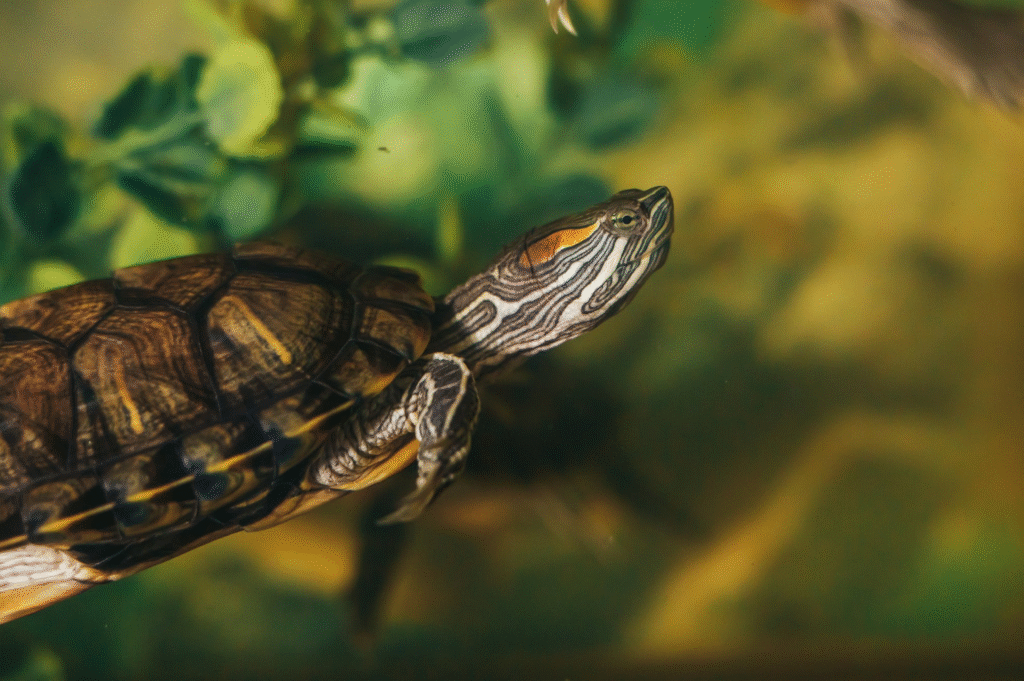
If you’re both a plant lover and a turtle owner, chances are you’ve asked yourself: “Are spider plants toxic to turtles?” It’s a good question and an important one. Many houseplants are toxic to pets, and even though turtles aren’t likely to chew everything in sight like cats or dogs, they’re still curious creatures.
In this detailed guide, we’ll explore everything you need to know about spider plants (Chlorophytum comosum) and their safety around turtles. We’ll also talk about safe alternatives, what to watch out for, and expert tips to keep your turtle and houseplants healthy.
What Are Spider Plants?
Before diving into toxicity, let’s understand what a spider plant is.
- Scientific Name: Chlorophytum comosum
- Common Names: Airplane plant, ribbon plant, spider ivy
- Appearance: Long green leaves with white stripes; shoots that produce baby plants or “spiderettes”
- Benefits: Low maintenance, air-purifying, pet-safe (for most animals)
Spider plants are popular houseplants because they’re easy to grow and thrive in low-light areas, perfect for homes and reptile habitats. But are they safe if your turtle decides to munch on them?
Are Spider Plants Toxic to Turtles?
No, spider plants are not toxic to turtles.
According to the ASPCA and several exotic pet experts, spider plants are non-toxic to most pets, including reptiles like turtles. However, that doesn’t mean they’re an ideal snack. While they won’t poison your turtle, they’re not particularly nutritious either.
Here’s a breakdown:
| Feature | Spider Plant |
| Toxic to Cats/Dogs | No |
| Toxic to Turtles | No |
| Edibility | Non-toxic but not ideal for eating |
| Risk Level | Low |
Why You Still Shouldn’t Let Your Turtle Eat Spider Plants
Although not poisonous, spider plants can cause:
- Mild digestive upset if eaten in large amounts
- Blockages in smaller turtles due to fibrous leaves
- Habitat imbalance if the plant is in the tank and gets damaged
So, while spider plants are safe, they’re best used as decor, not dinner.
Turtle Behavior: Why They Might Eat Your Plants
Turtles are curious, and if a spider plant is nearby, they may take a bite out of it. This is especially common in species like:
- Red-Eared Sliders
- Box Turtles
- Painted Turtles
Turtles often explore their environment with their mouths. If you keep spider plants inside or near the enclosure, your turtle might see it as food or entertainment.
Best Practices: Keeping Spider Plants and Turtles Together Safely
If you want to keep spider plants around your turtle’s environment, follow these safety tips:
1. Keep the Plant Out of Reach
Place spider plants on shelves, plant stands, or hang them in baskets. Avoid putting them directly inside the turtle tank or enclosure.
2. Supervise Interactions
If you allow your turtle to roam outside the tank, supervise it around your plants.
3. Use Turtle-Safe Plants Inside the Enclosure
If you’re decorating the tank with real plants, use safe, edible species like:
- Duckweed
- Water lettuce
- Anacharis
- Dandelion greens
- Hibiscus leaves
Spider plants are better left outside the habitat, just to be safe.
Expert Opinion
Many veterinarians and reptile hobbyists agree that spider plants are low-risk. Here’s what some experts say:
“Spider plants are non-toxic to reptiles, but they’re not a food source. Keep them decorative, not dietary.”
— Dr. Renee P., Exotic Vet Specialist
“My box turtles once took a bite out of a spider plant. No harm done, but I switched to edible greens for their enclosure.”
— Turtle Enthusiast on ReptileForum.com
Better Alternatives for Turtle-Friendly Plants
Want to green up your turtle’s habitat safely? Here are some non-toxic, turtle-safe plants:
| Plant Name | Edible | Tank-safe |
| Duckweed | Yes | Yes |
| Hornwort | Yes | Yes |
| Java Fern | No (but safe) | Yes |
| Water Hyacinth | Yes | Yes |
| Dandelion | Yes | Yes |
These options are better suited to a turtle’s habitat and diet than a spider plant.
Cleaning Tips: If Your Turtle Bites a Spider Plant
If your turtle has chewed on a spider plant:
- Don’t panic. It’s not toxic.
- Remove any loose plant parts from the tank to avoid digestion issues.
- Watch for signs of upset stomach like lethargy or lack of appetite.
- Offer fibrous, leafy greens to ease digestion.
Still worried? A quick visit to your exotic vet can give you peace of mind.
Final Verdict: Safe But Not Snack-Worthy
So, are spider plants toxic to turtles? Absolutely not. They’re safe to keep around your turtle as long as they’re out of reach and not used as food.
Pros:
- Non-toxic
- Easy to care for
- Air-purifying
Cons:
- Not edible
- May cause mild digestive issues if ingested
- Not suitable inside turtle tanks
If you want to enjoy the beauty of spider plants while keeping your turtle safe, just keep them separate, it’s a win-win for both.
Conclusion
Spider plants are a turtle-safe houseplant choice for any plant lover, as long as you use them responsibly. While they won’t hurt your turtle, they’re not meant to be part of its diet. Use them as decorative greenery in your home, not as tank décor.